
Lead Inclusion
with Confidence
The GEC Platform is a research-informed diagnostic framework for the intersections of inclusion, belonging and wellbeing that helps schools quickly identify and understand their gaps with confidence.
How? We translate lived-experience insight from staff and students into actionable intelligence, giving leaders the evidence they need to strengthen belonging, participation and workforce sustainability alongside attainment, attendance and behaviour data.
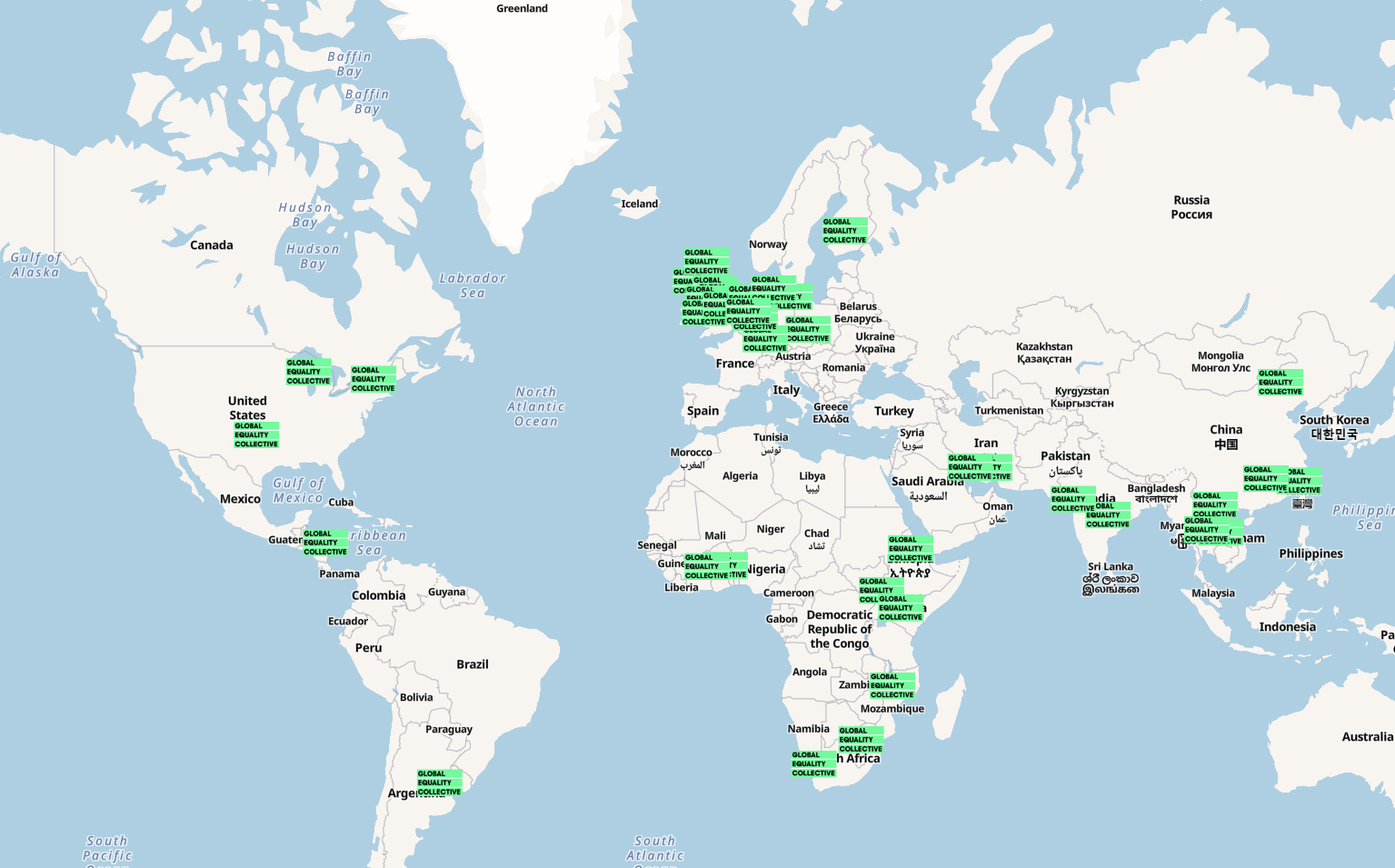
You can jump into our case studies below and meet our Listening Hubs around the globe!
Or if you are new to us and want to understand our approach, just watch our 90 Day Inclusion Roadmap animation to see how we can help you in just one academic term.
Animation by the very talented Spud Motion
Trusted by
your peers
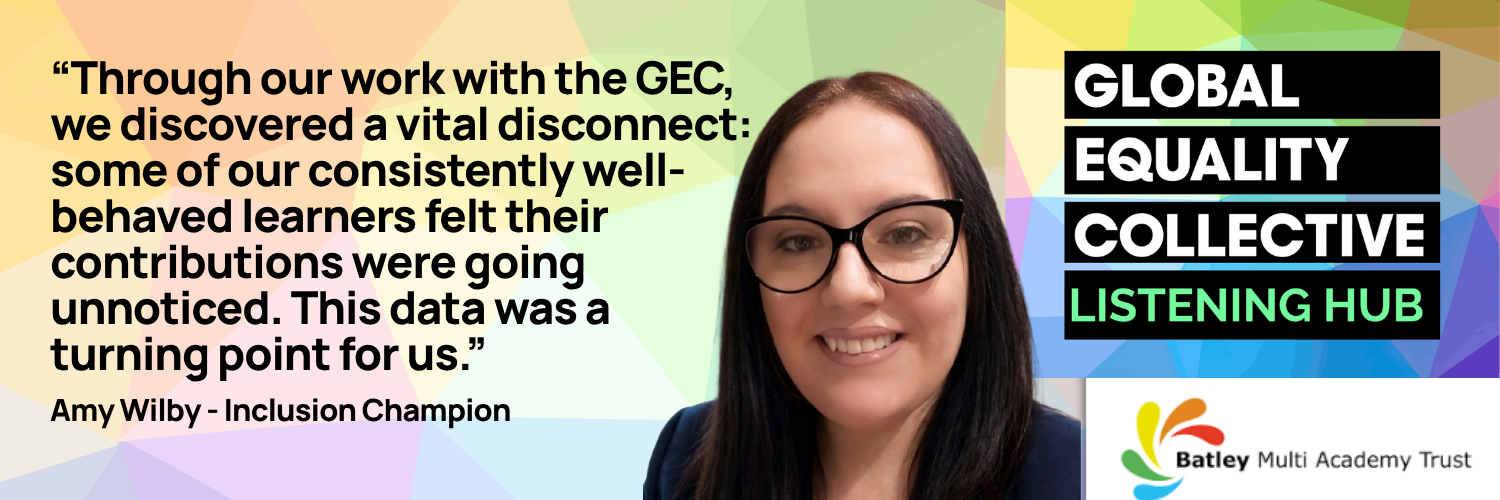
Don’t just take our word for it. See how those in roles and settings similar to yours have made an impact with us.
Recognised
by the sector
Awards and Partnerships provide real validation that our technology makes a lasting and meaningful difference.






Build Inclusion
with Intelligence.
The GEC Platform functions as your inclusion intelligence layer — translating lived experience data into measurable insight and structured improvement.
Designed specifically for education at scale from local areas to individual schools, we provide a robust cultural health check, a prioritised Action Plan and the CPD tools schools require to embed sustainable change.
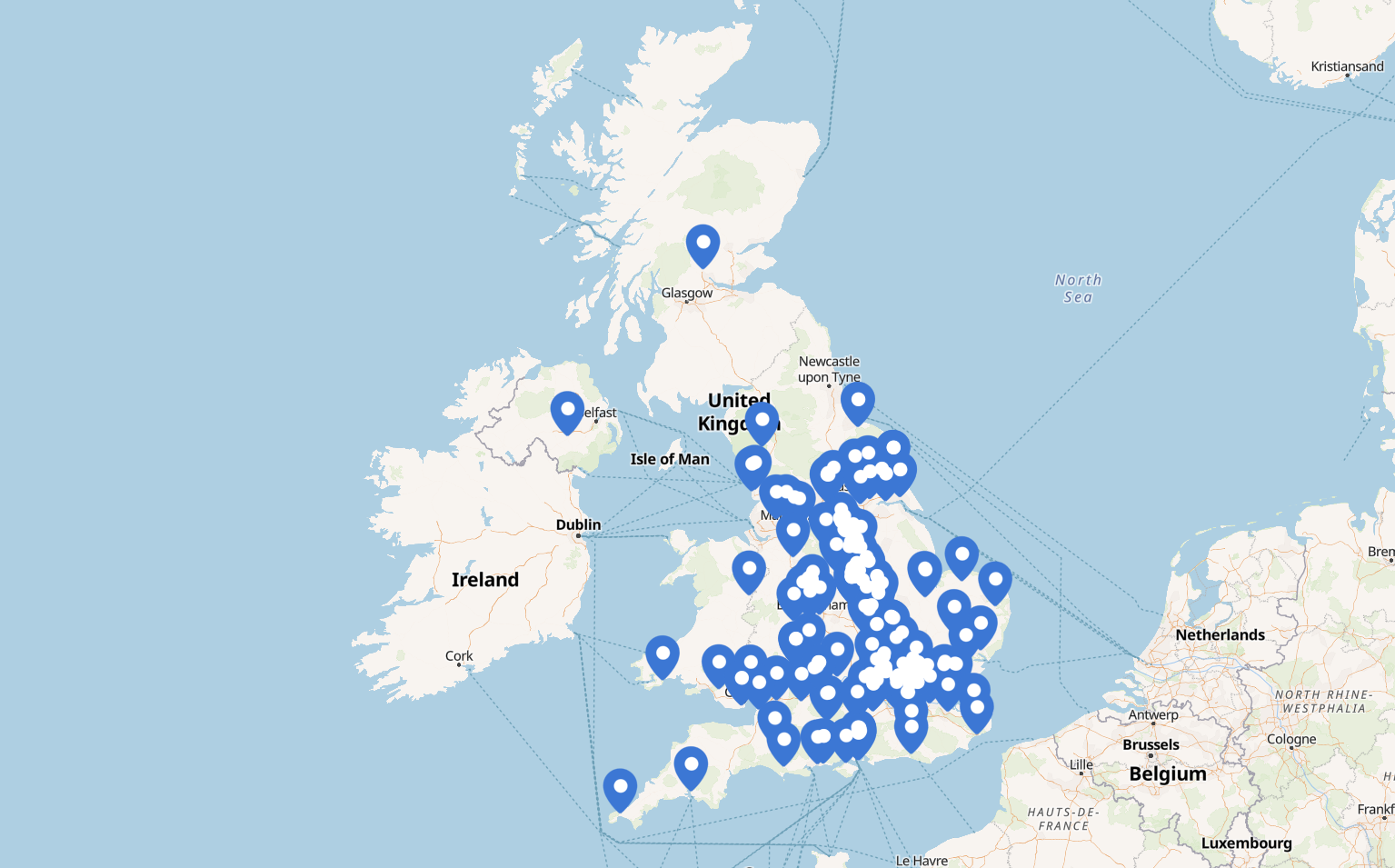
Inclusion intelligence at local, national and global scale
400
Schools, colleges
and Trusts across
30 countries
34,500
Students, teachers and staff surveyed on the GEC Platform
250,000
Students positively impacted since pilot in 2020
Backed by 400+ Inclusion experts and our award-winning platform, we help schools translate lived experience into action — creating Inclusion Champions in every classroom.
Creating Inclusion Champions
in every classroom.
“The GEC Platform is sensational. The overall findings have been incredibly useful, leading us to consider elements of our approach that we have not thought about before.”
The Duston School